
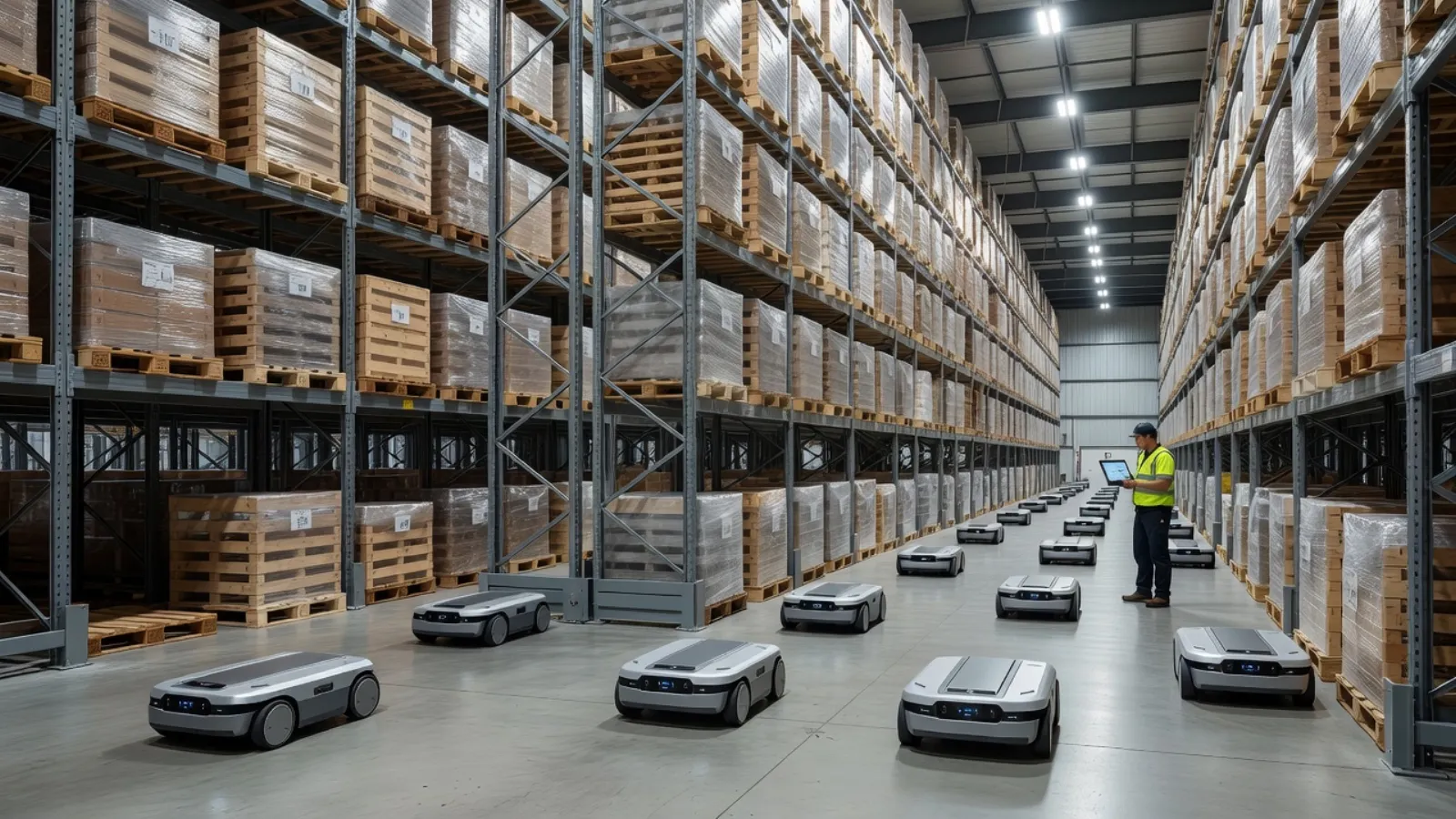
Intelligent Process Automation
AI agents and workflow engines that execute end-to-end processes without a person in the loop.
Most enterprise processes are still chains of people forwarding, copying, checking and approving. We replace those chains with systems that read the input, decide according to your rules, act across your applications and escalate only the genuine exceptions.
We combine large language models, deterministic workflow engines and robotic automation where legacy screens have no API. The result is a process that runs on its own, with every step logged, every decision explainable and a human review queue sized to the real exception rate rather than the whole volume.
What we take off your people's desks
- Intake and classification of requests, orders, claims and tickets
- Multi-step approvals with policy checks and delegation rules
- Data entry across ERP, CRM and legacy systems
- Reconciliations and three-way matching
- Exception routing with full audit trail
- Status communication to customers and internal teams
How we deliver it
Process mapping
We document the process as it actually runs today, measure volumes and touch points, and quantify what leaving people in the loop costs.
Automation design
Rules, models and integrations are specified in writing: what the system decides alone, what it escalates, and how every action is logged.
Build and parallel run
The automation runs alongside the manual process until outputs match to the agreed accuracy. Nothing is switched off early.
Cutover and operation
We take the process live, monitor it 24/7 and keep tuning rules and models as volumes and policies change.
What changes for the business
- Cycle times measured in minutes instead of days
- Manual touches reduced to the real exception rate
- Consistent policy application, every time
- Complete audit trail for every decision and action
Typical programs
Order-to-cash
Orders validated, provisioned, invoiced and collected with exceptions surfaced to one queue.
Claims and case handling
Documents read, eligibility checked, decisions drafted and communicated automatically.
Vendor onboarding
Forms, compliance checks, ERP setup and approvals completed without manual entry.
IT and HR service requests
Access, equipment and onboarding requests fulfilled by agents across your systems.
Platforms and technology
Questions we hear from operations and finance leaders
Classic RPA copies clicks and breaks when screens change. We put a decision layer (models and rules) in front of deterministic integrations and use RPA only where no API exists, so the process survives change and handles variation.
It escalates to a human queue with the full context and a recommended action. You set the confidence thresholds; over time the exception rate falls.
No. Every rule and model boundary is documented, every action is logged, and you can change policies without a rebuild.
A single process typically goes from mapping to parallel run in weeks; enterprise programs are sequenced so value starts in the first quarter.
What this is worth in your operation
Your volumes, your rates, your call on how much a system should take. Nothing is sent to us.
What one process costs you a year
Pick a single repetitive process — invoices, orders, applications, claims, tickets — and price it end to end.
Labour only. It does not count the rework, the late payments or the customers who left while the queue moved. Runs on 46 working weeks and 1,800 productive hours per person per year. It is an estimate from your own figures, not a quote.
Send these numbers with an assessment requestSee what process automation would remove from your operation
Confidential assessment led by senior engineers. No obligation.